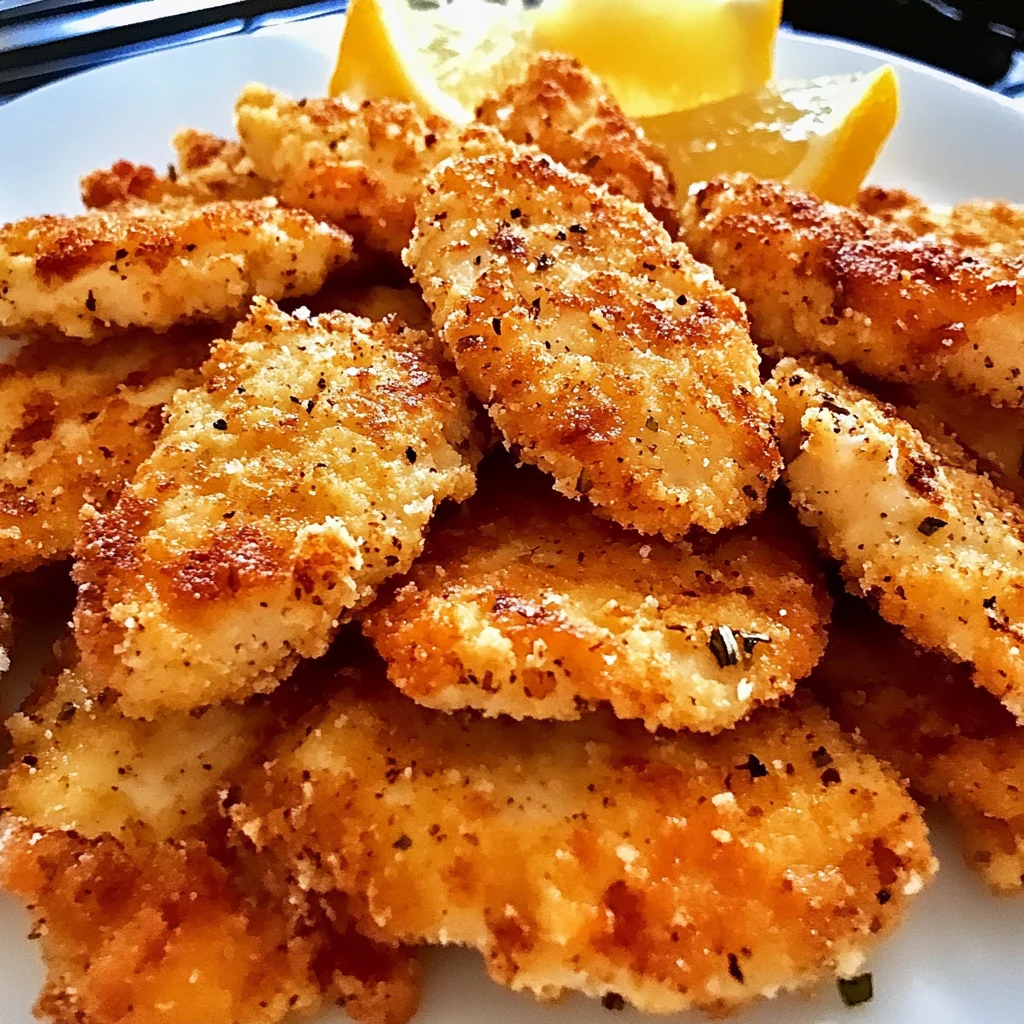
Secrets to Perfectly Crispy & Juicy Chicken Cutlets Every Time
Few dishes can rival the universal appeal of a perfectly cooked chicken cutlet. That golden, crunchy exterior giving way to tender, juicy meat is a culinary delight that transcends generations and palates. Whether you're a busy parent seeking a speedy weeknight dinner, an aspiring home chef looking to master a classic, or simply someone who appreciates genuinely delicious food, the quest for the ultimate crispy and juicy chicken cutlet is a worthwhile endeavor. Often hailed as the "grown-up" version of a chicken nugget, these Italian-American staples offer incredible flavor and versatility.
But what truly elevates a chicken cutlet from good to extraordinary? It's a combination of simple yet crucial techniques, from preparation to pan-searing, that unlock that coveted crunch and mouthwatering juiciness. Forget dry, bland, or soggy chicken – we're about to unveil the secrets to achieving perfection every single time. Get ready to transform your kitchen into a hub of irresistible aroma and flavor!
The Foundation: Achieving Ideal Thinness and Tenderness
The journey to a perfect chicken cutlet begins long before it hits the hot oil. The secret to its quick cooking time and uniform tenderness lies in its thinness. This isn't just about speed; it also ensures the meat cooks through evenly, preventing dry spots while the breading crisps up beautifully.
- Start with Boneless, Skinless Chicken Breasts: These are the ideal canvas. While you can sometimes find pre-sliced cutlets in the meat section of your grocery store, preparing them yourself ensures optimal quality and thickness control.
- Slice Horizontally: If your chicken breasts are thick, slice them horizontally to create two thinner pieces. This is often the first step before pounding. Aim for pieces that are roughly ½ to ¾ inch thick before pounding.
- Pound to Perfection: This is arguably the most critical step for tenderness and even cooking. Place your chicken pieces between two sheets of plastic wrap (or inside a large freezer bag) to prevent tearing and splattering. Using the flat side of a meat mallet or a heavy rolling pin, gently but firmly pound the chicken until it reaches an even thickness, typically about ¼ inch. This process not only thins the meat but also tenderizes it by breaking down muscle fibers, guaranteeing a melt-in-your-mouth texture. Uniform thickness is key for preventing some parts from overcooking while others remain undercooked.
Crafting the Ultimate Crispy Coating: The Art of Breading
The breading is where the magic of crunch truly happens, and it's essential to get it right. A well-seasoned and properly applied coating protects the chicken, locks in moisture, and develops that irresistible golden crispness.
- The Three-Step Breading Station: This classic technique is non-negotiable for a robust, even coating. Set up three shallow dishes:
- Flour: Seasoned all-purpose flour (with salt, pepper, and perhaps a pinch of garlic powder) provides the initial dry layer, helping the egg adhere.
- Egg Wash: Whisked eggs (usually 1-2 eggs with a tablespoon or two of milk or water) act as the binding agent, ensuring the breadcrumbs stick.
- Breadcrumbs: This is where the crunch factor is maximized.
- Panko Power: While regular breadcrumbs work, panko breadcrumbs are the undisputed champions for crispiness. Their larger, flakier texture and airy structure result in a much lighter, crunchier coating that absorbs less oil.
- Flavorful Additions: Don't skimp on seasoning the breadcrumbs! This is your chance to infuse incredible flavor. A classic Italian-American blend includes:
- Grated Parmesan Cheese: Adds a nutty, savory depth and aids in beautiful browning.
- Italian Seasoning: A blend of dried herbs like oregano, basil, rosemary, and thyme for aromatic complexity.
- Garlic Powder: A must-have for that quintessential savory kick.
- Salt and Freshly Ground Black Pepper: Essential for balancing all the flavors.
- Press Firmly: After dipping the chicken in the egg wash, transfer it to the breadcrumbs. Press the breadcrumbs firmly onto both sides of the cutlet to ensure a thick, even coating. This helps prevent the breading from falling off during frying.
The Heat is On: Perfect Frying for Golden Perfection
Frying can be intimidating, but with the right technique, it's the fastest way to achieve that sought-after crispy exterior and juicy interior. The key lies in oil temperature and mindful cooking.
- Choose the Right Oil: Opt for a neutral oil with a high smoke point, such as vegetable, canola, grapeseed, or sunflower oil. This prevents burning and imparts no unwanted flavors.
- Crucial Oil Temperature: This is one of the most vital secrets. You *must* wait until the oil is very hot before adding your chicken. The ideal temperature is typically between 350-375°F (175-190°C). If the oil isn't hot enough, the breading will absorb too much oil, becoming greasy and soggy, and it will stick to the pan. Too hot, and the breading will burn before the chicken cooks through. You can test the oil by dropping a pinch of breadcrumbs in – they should sizzle vigorously and turn golden quickly.
- Don't Overcrowd the Pan: Cook the cutlets in batches, allowing plenty of space between each piece. Overcrowding will lower the oil temperature, leading to less crispy results.
- Gentle Pressing for Even Browning: As the cutlets cook, use tongs to gently press them down occasionally. This ensures maximum contact with the hot pan, promoting even browning and crispness across the entire surface.
- Quick Cooking Time: Because they are so thin, chicken cutlets cook incredibly fast – typically just 3-4 minutes per side, depending on thickness. Look for a deep golden-brown color.
- Drain Properly: Once cooked, transfer the cutlets to a wire rack set over a baking sheet lined with paper towels. This allows air circulation all around the cutlets, preventing them from steaming and becoming soggy as they cool.
Beyond the Plate: Versatility, Sides, and Make-Ahead Magic
One of the most remarkable qualities of a perfectly cooked chicken cutlet is its incredible versatility. It's truly a blank canvas for countless meal ideas.
- Classic Pairings: Serve simply with fresh lemon wedges, which add a bright, acidic counterpoint to the richness of the fried chicken. A vibrant, vinegary green salad is another timeless accompaniment that cuts through the richness beautifully.
- Italian-American Favorites: Use your cutlets as the foundation for Chicken Parmigiana, layering them with marinara sauce and mozzarella, then baking until bubbly. They're also fantastic alongside pasta with a light tomato sauce or a creamy Alfredo.
- Creative Combos: Think outside the box! Slice them for crispy chicken sandwiches or wraps, dice them for an incredible salad topping, or even serve them with a zesty salsa or a creamy mushroom sauce. They pair well with virtually any vegetable, from roasted asparagus to mashed potatoes.
- Kid-Friendly Gold: For families, these cutlets are a huge win. Their crispy, seasoned coating and tender meat make them a delicious and appealing alternative to store-bought chicken nuggets.
- Make-Ahead & Freezing: Chicken cutlets are wonderfully make-ahead friendly. You can bread them ahead of time and store them in the refrigerator for a day or two (separated by parchment paper). For longer storage, freeze the breaded raw cutlets on a baking sheet until firm, then transfer them to a freezer-safe bag with parchment paper between layers. They can be cooked from frozen, adding a few minutes to the cooking time, making them an ideal solution for busy schedules.
Conclusion
Mastering the art of crispy and juicy chicken cutlets is a culinary accomplishment that will serve you well for countless meals to come. By focusing on fundamental techniques – precise pounding for thinness, a well-seasoned panko breading, and careful control of oil temperature during frying – you can consistently achieve results that rival your favorite restaurant. This dish is not just delicious; it's an incredibly versatile, crowd-pleasing, and quick-cooking meal solution that adapts to almost any side or craving. So, grab your chicken, get pounding, and prepare to delight your taste buds with these irresistible golden gems!
